

Our story is rooted in hard work, agricultural expertise, and an unwavering commitment to the communities we serve. From our earliest days of steel wheel tractors to expanding into advanced processing and trusted distribution, each chapter has been shaped by integrity and innovation.
A Century of Agricultural Excellence
Founded in 1912, Boyd has evolved from a family farm into a leader in sustainable oilseed processing. What began with hard work and local partnerships has grown into a globally relevant operation rooted in trust, precision, and care.
Every step of our journey has been guided by a commitment to doing things the right way. From early investments in rail infrastructure to expanding our scope and scale to include Organic products and refined oils, our story reflects resilience, innovation, and commitment to our farming suppliers and food and feed customers.
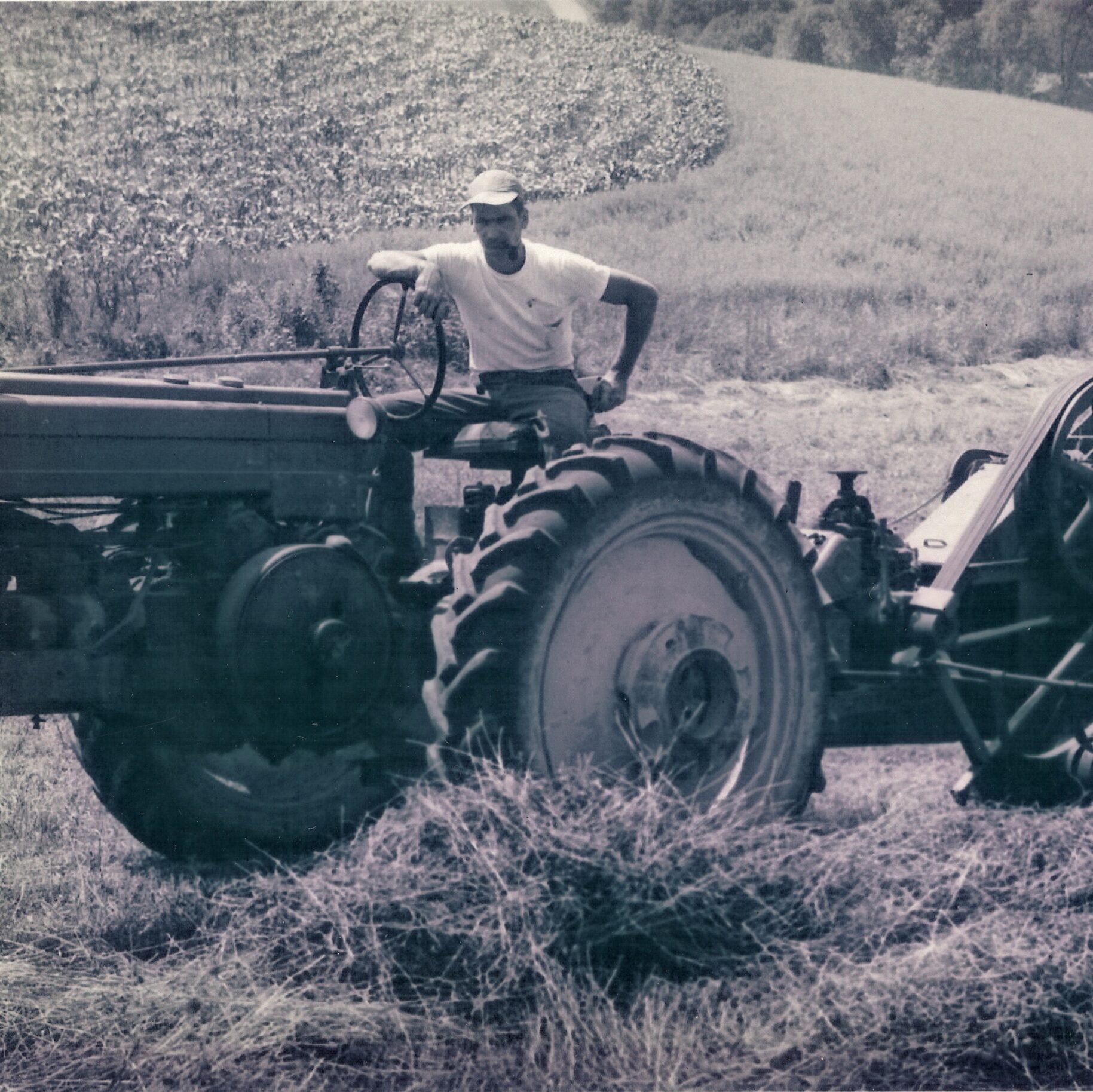
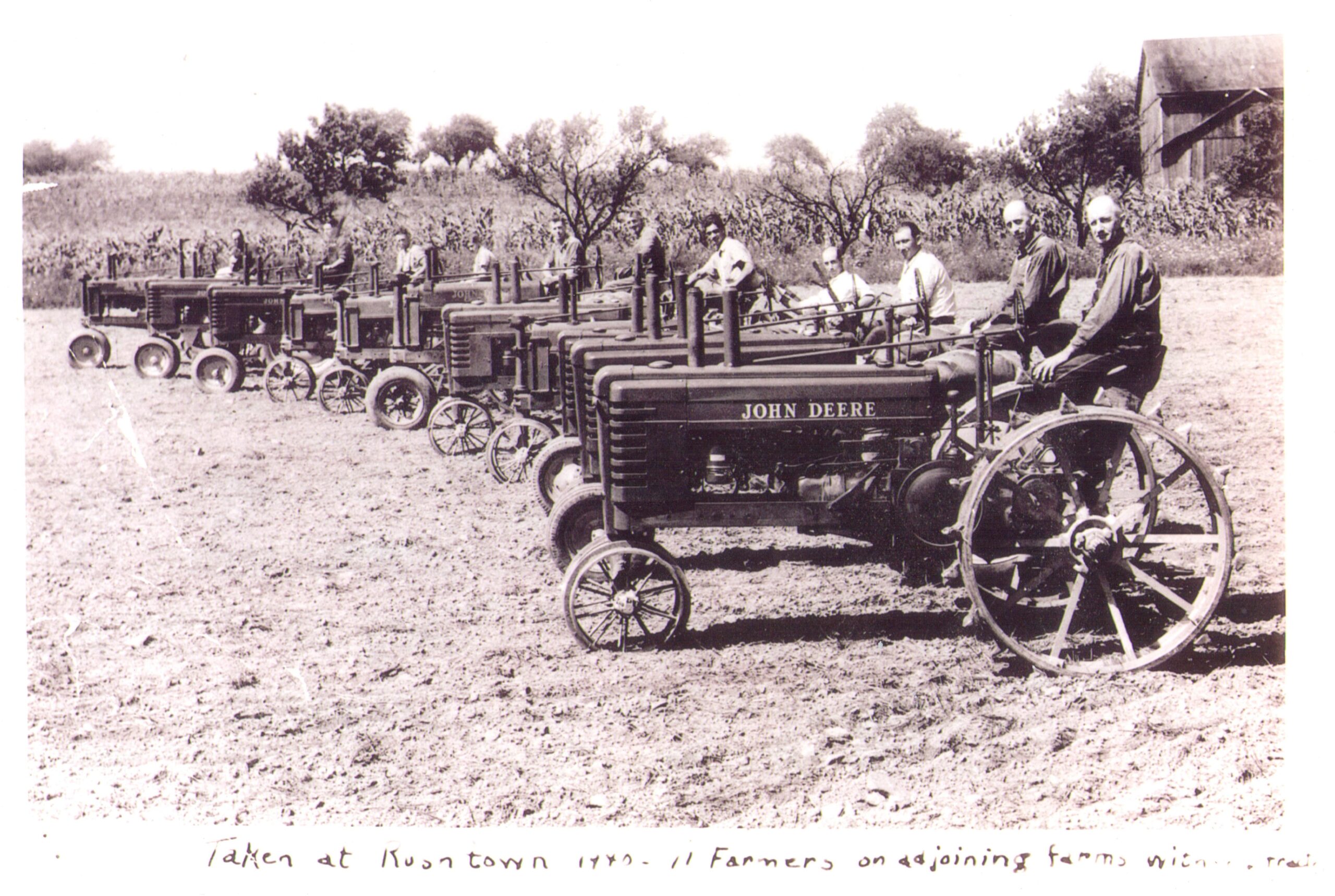
George Washington Cotner purchases farmland in Danville, Pennsylvania to start his own farming enterprise.
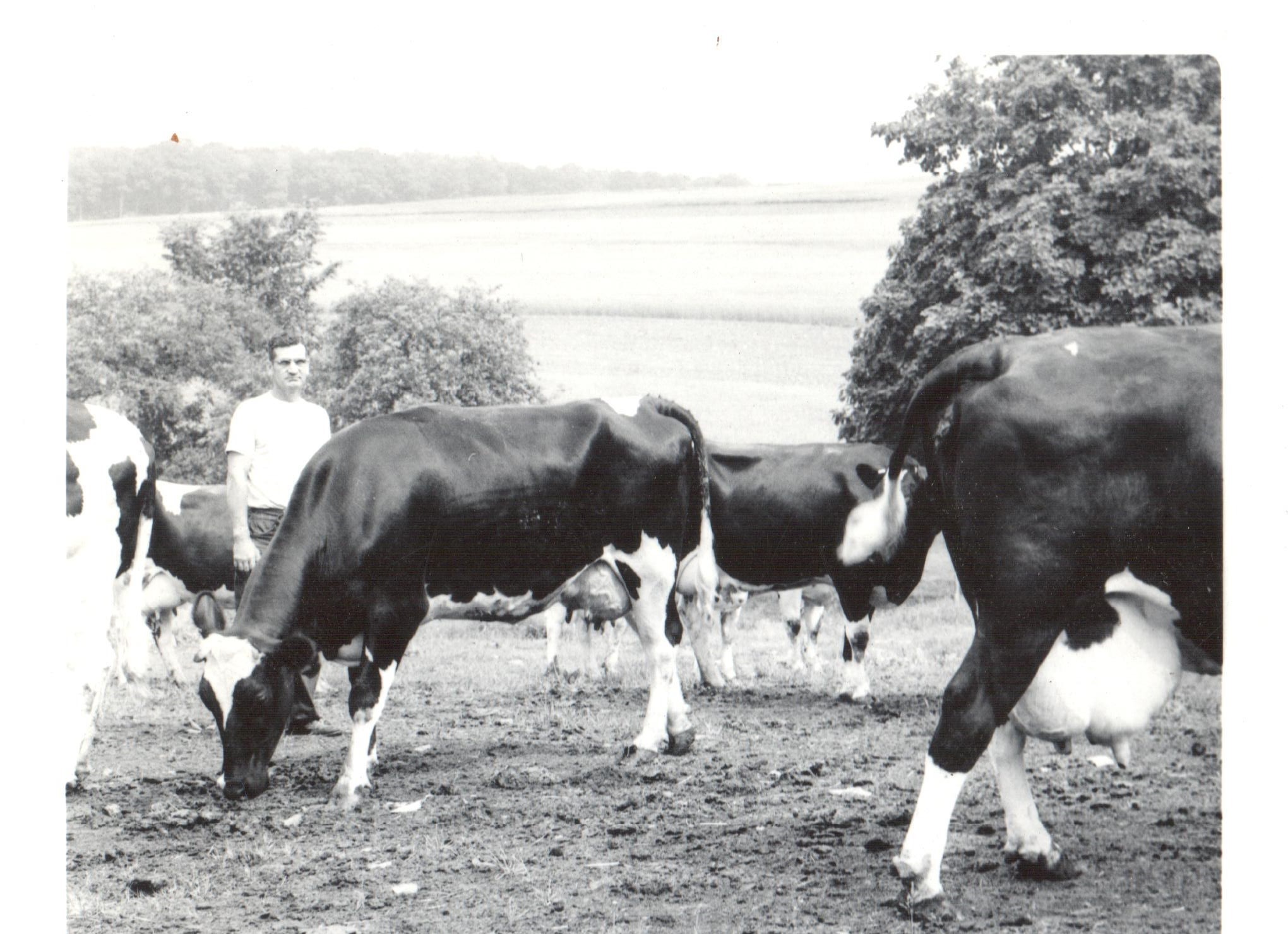
Don Cotner assumes responsibilities of the farming business and adds dairy, hogs, and chickens. He also expands the farm's acreage and implements new soil conservation practices such as contour farming, no-till farming, and cover crops. While common today, these practices were rarely used at the time. Don learned of the new methods from his brother Russ, who lived in Washington DC and worked for the newly created Soil Conservation Service that had been created following the 1930s Dust Bowl.
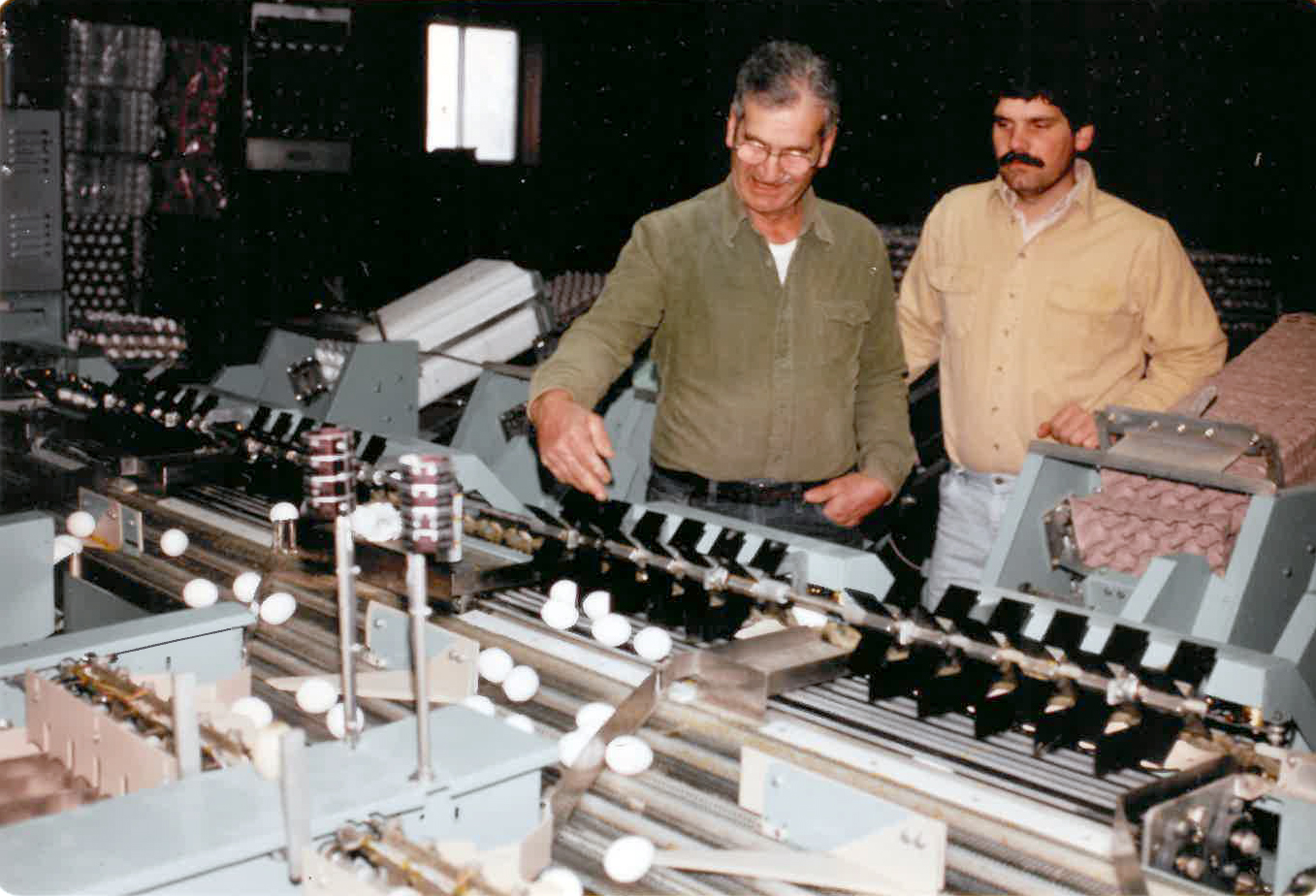
The farm adds a focus on chicken egg production, investing in expanded chicken houses, egg grading and packaging, and feed milling. Over the next 50 years the business serves restaurants and retailers across Pennsylvania and neighboring states with high quality eggs and reliable service.
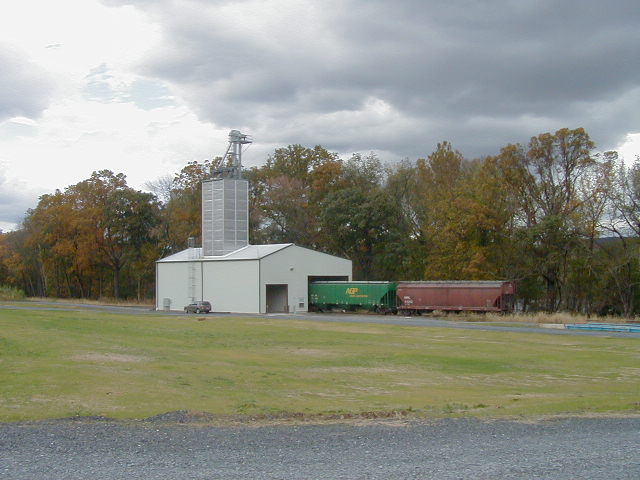
Don Cotner and his son Bryan purchase ground and install a rail siding along the Canadian Pacific mainline to transload feed ingredients for their egg operation and to supply local feed manufacturers.
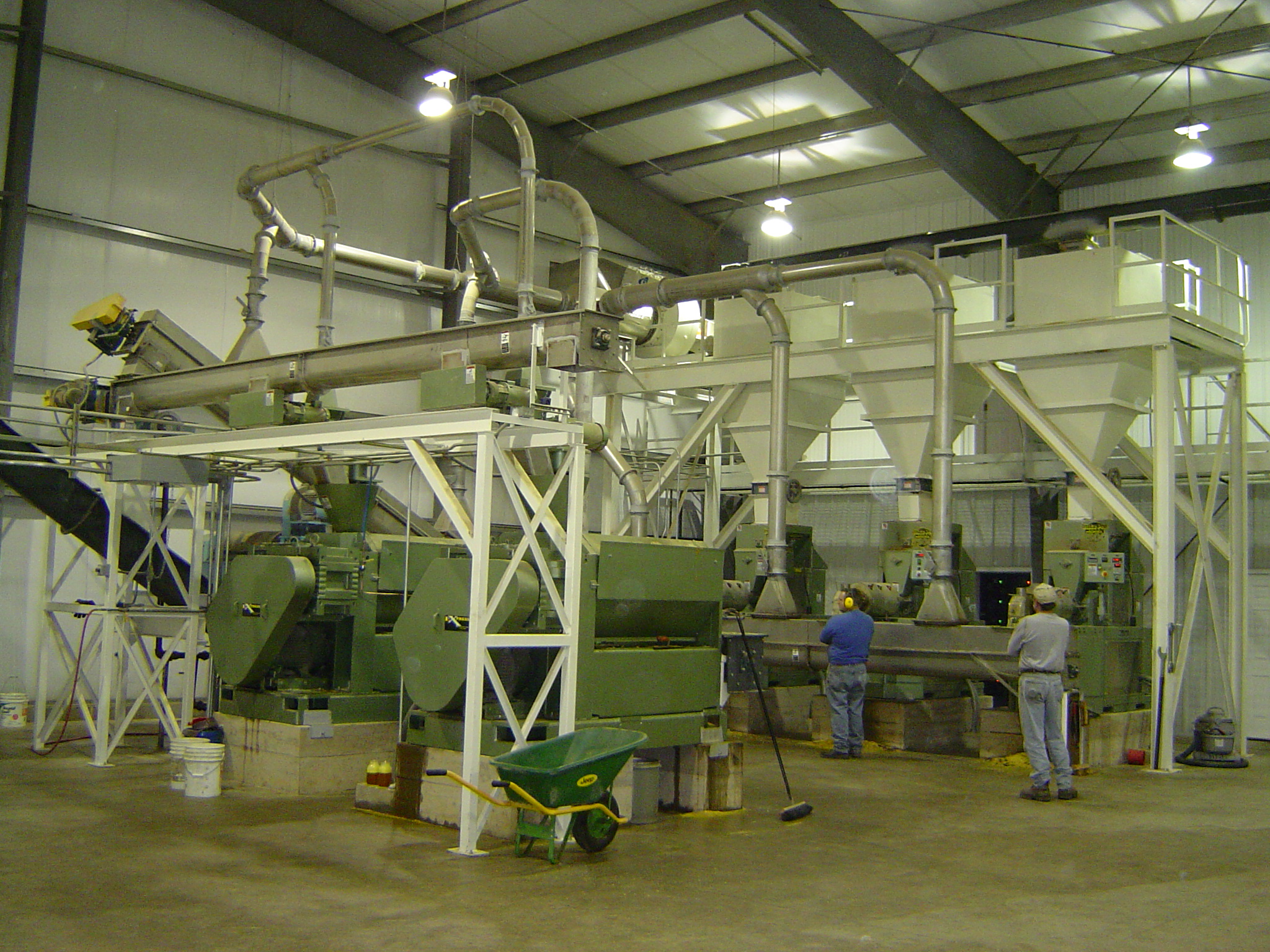
Boyd Station installs expeller equipment to process local soybeans into feed ingredients. The facility gives local farmers a market for soybeans and supplies expelled soy products to Pennsylvania feed mills.
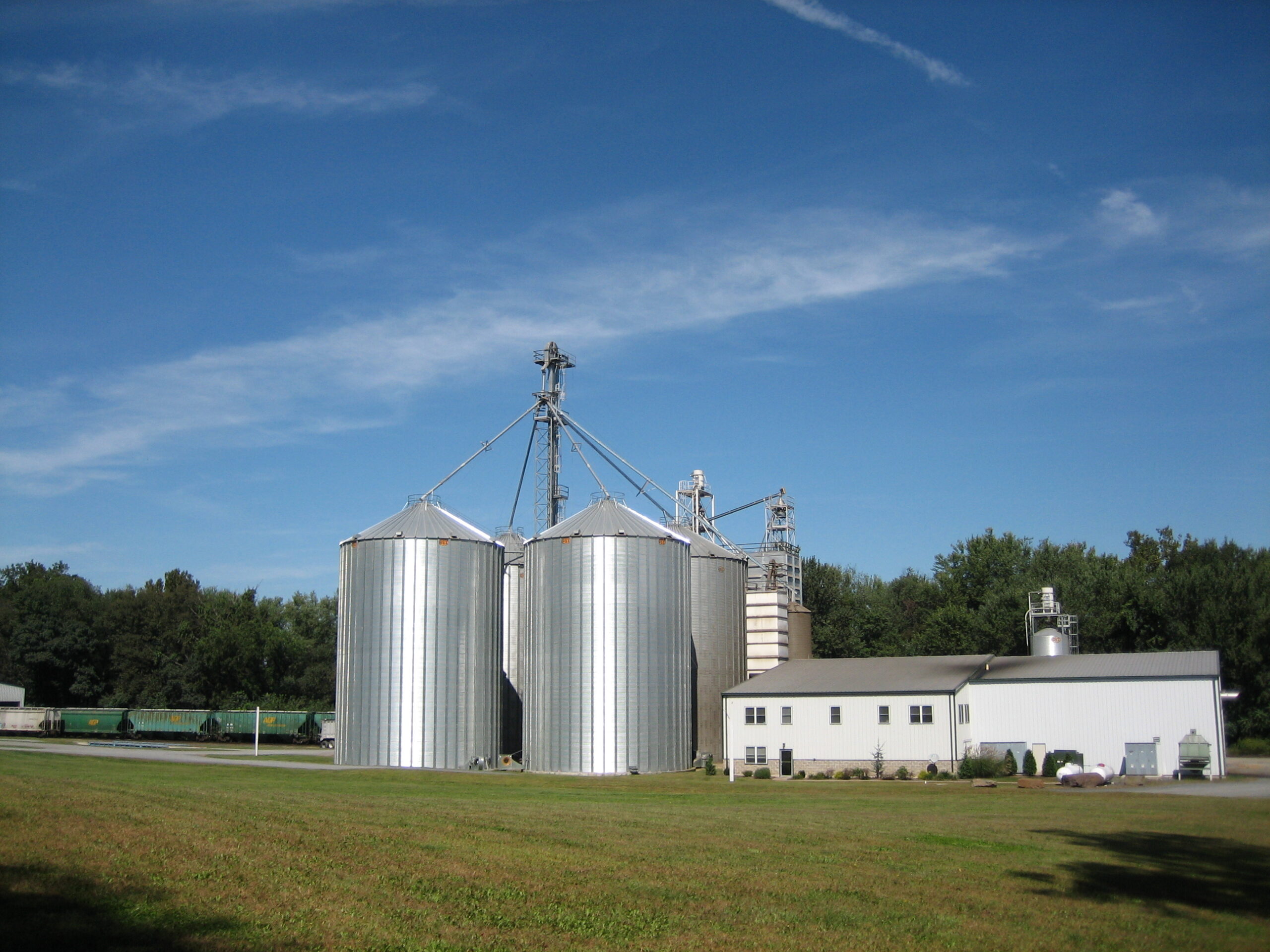
Additional extruders and presses are added, doubling production capacity to meet growing demand for nutrient dense expelled soybean meal.
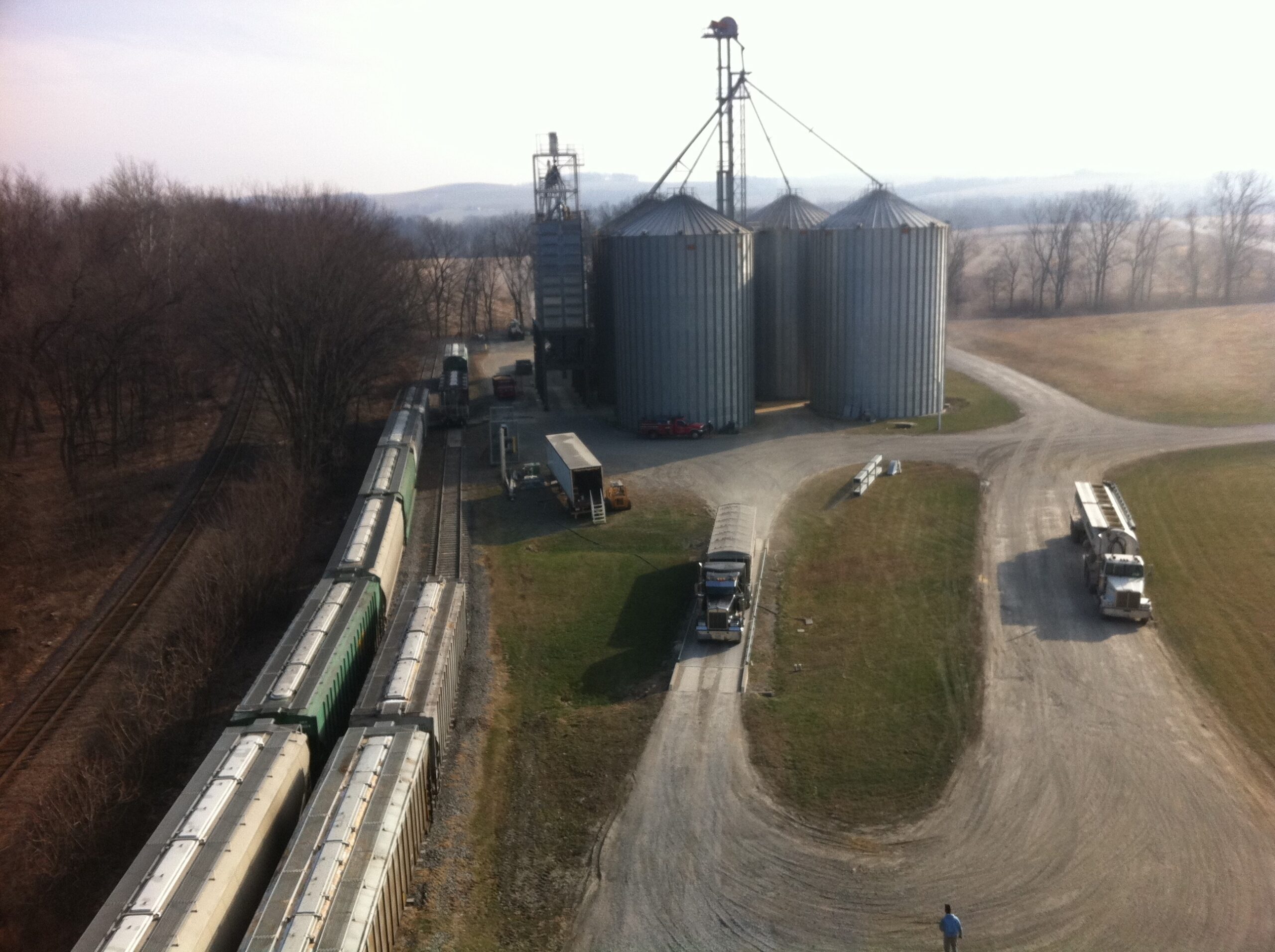
Organic certification obtained to meet the growing local demand for organic feeds. Begin purchasing and processing organic soybeans into organic meal and oil to serve the expanding poultry and dairy feed market.
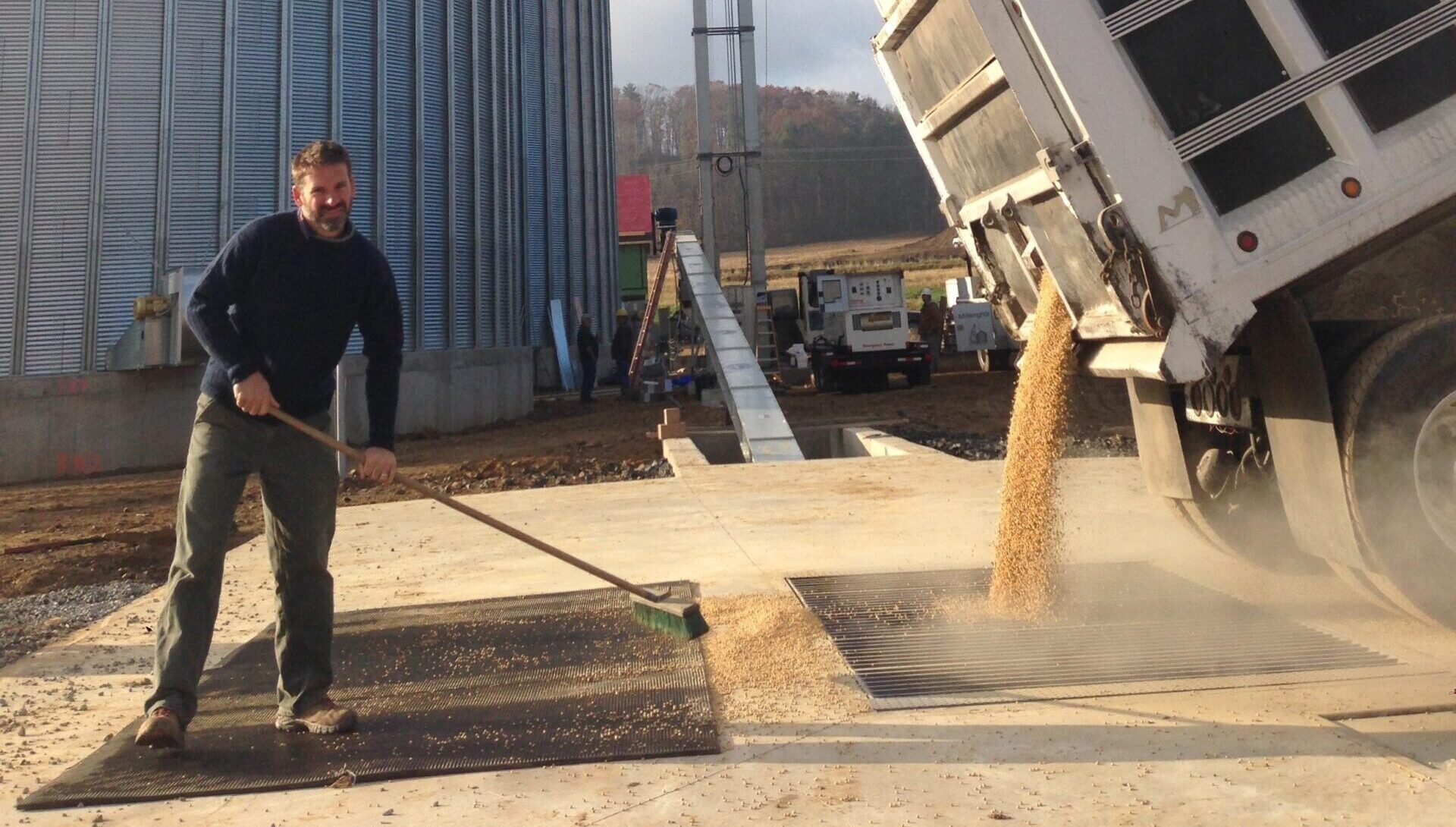
Soybean crush begins at a 100% dedicated organic processing facility that operates independently from the existing plant, adding capacity to meet organic demand.
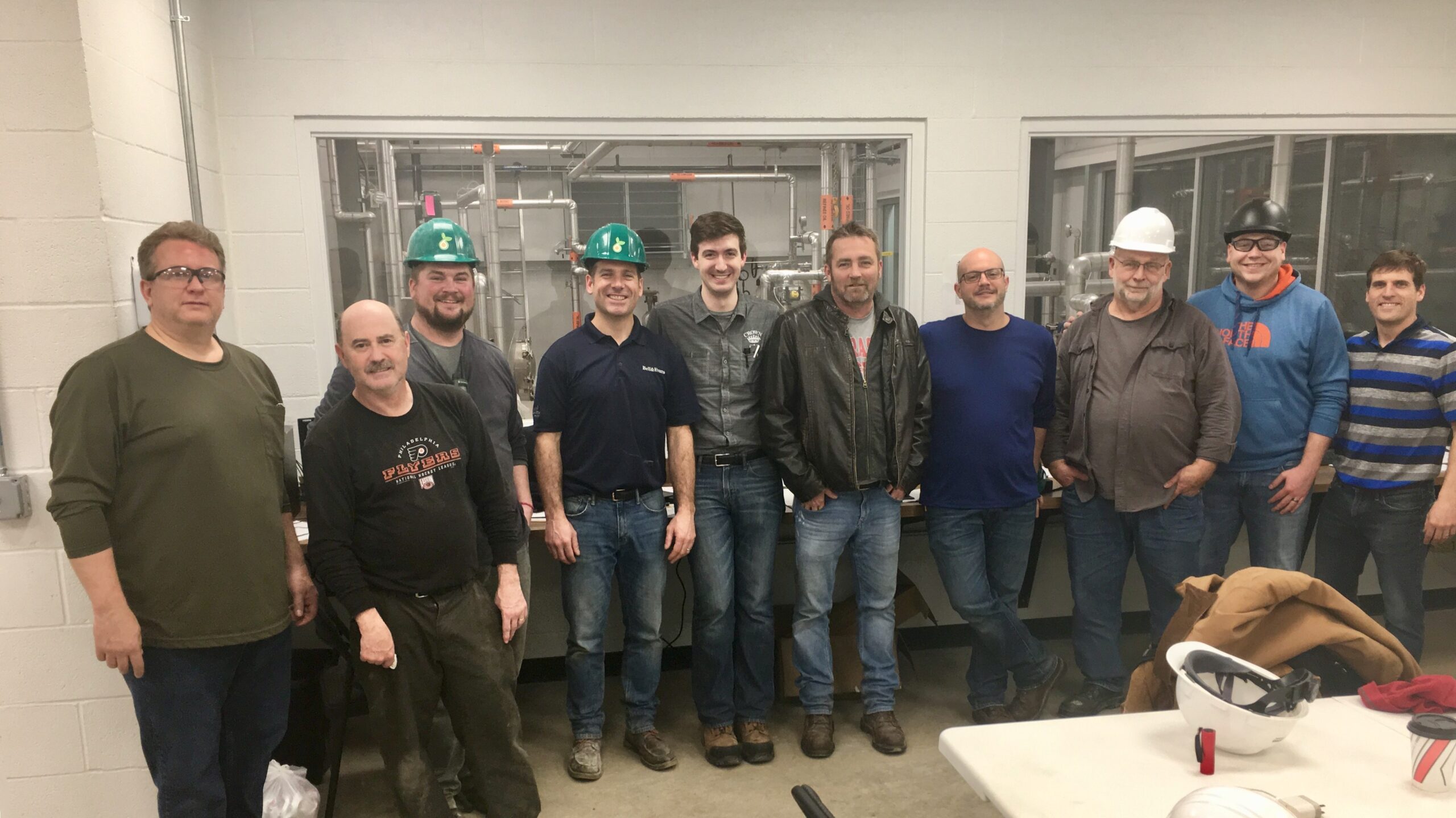
Construction of a state-of-the-art vegetable oil refinery is completed to complement crush operations. The refinery produces specialty oils including organic soy, canola, sunflower, and expeller pressed soy.
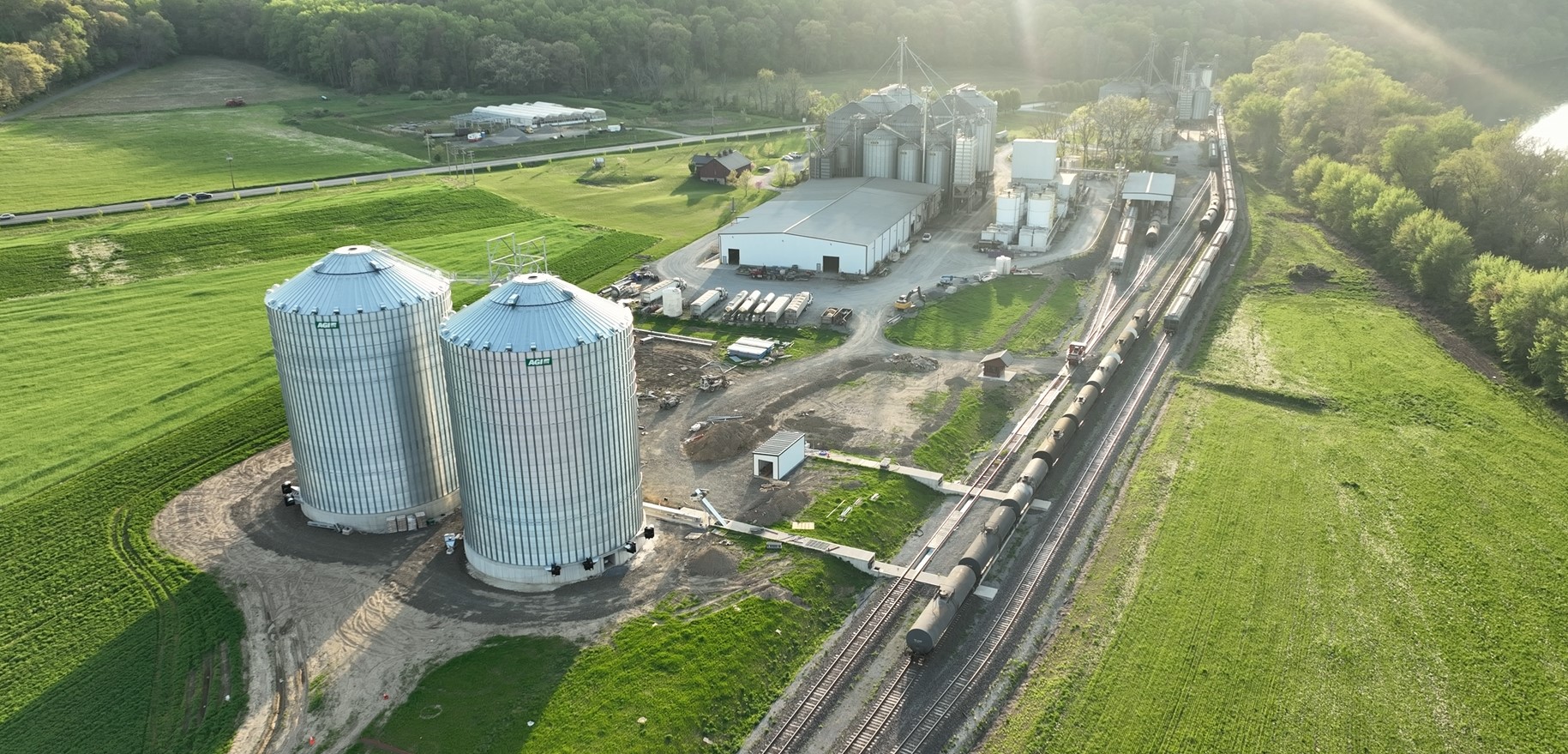
5,500 feet of track and commodity handling equipment are added, increasing car capacity and improving efficiency for receiving oilseeds and shipping oils and meals.
George Washington Cotner purchases farmland in Danville, Pennsylvania to start his own farming enterprise.
Don Cotner assumes responsibilities of the farming business and adds dairy, hogs, and chickens. He also expands the farm's acreage and implements new soil conservation practices such as contour farming, no-till farming, and cover crops. While common today, these practices were rarely used at the time. Don learned of the new methods from his brother Russ, who lived in Washington DC and worked for the newly created Soil Conservation Service that had been created following the 1930s Dust Bowl.
The farm adds a focus on chicken egg production, investing in expanded chicken houses, egg grading and packaging, and feed milling. Over the next 50 years the business serves restaurants and retailers across Pennsylvania and neighboring states with high quality eggs and reliable service.
Don Cotner and his son Bryan purchase ground and install a rail siding along the Canadian Pacific mainline to transload feed ingredients for their egg operation and to supply local feed manufacturers.
Boyd Station installs expeller equipment to process local soybeans into feed ingredients. The facility gives local farmers a market for soybeans and supplies expelled soy products to Pennsylvania feed mills.
Additional extruders and presses are added, doubling production capacity to meet growing demand for nutrient dense expelled soybean meal.
Organic certification obtained to meet the growing local demand for organic feeds. Begin purchasing and processing organic soybeans into organic meal and oil to serve the expanding poultry and dairy feed market.
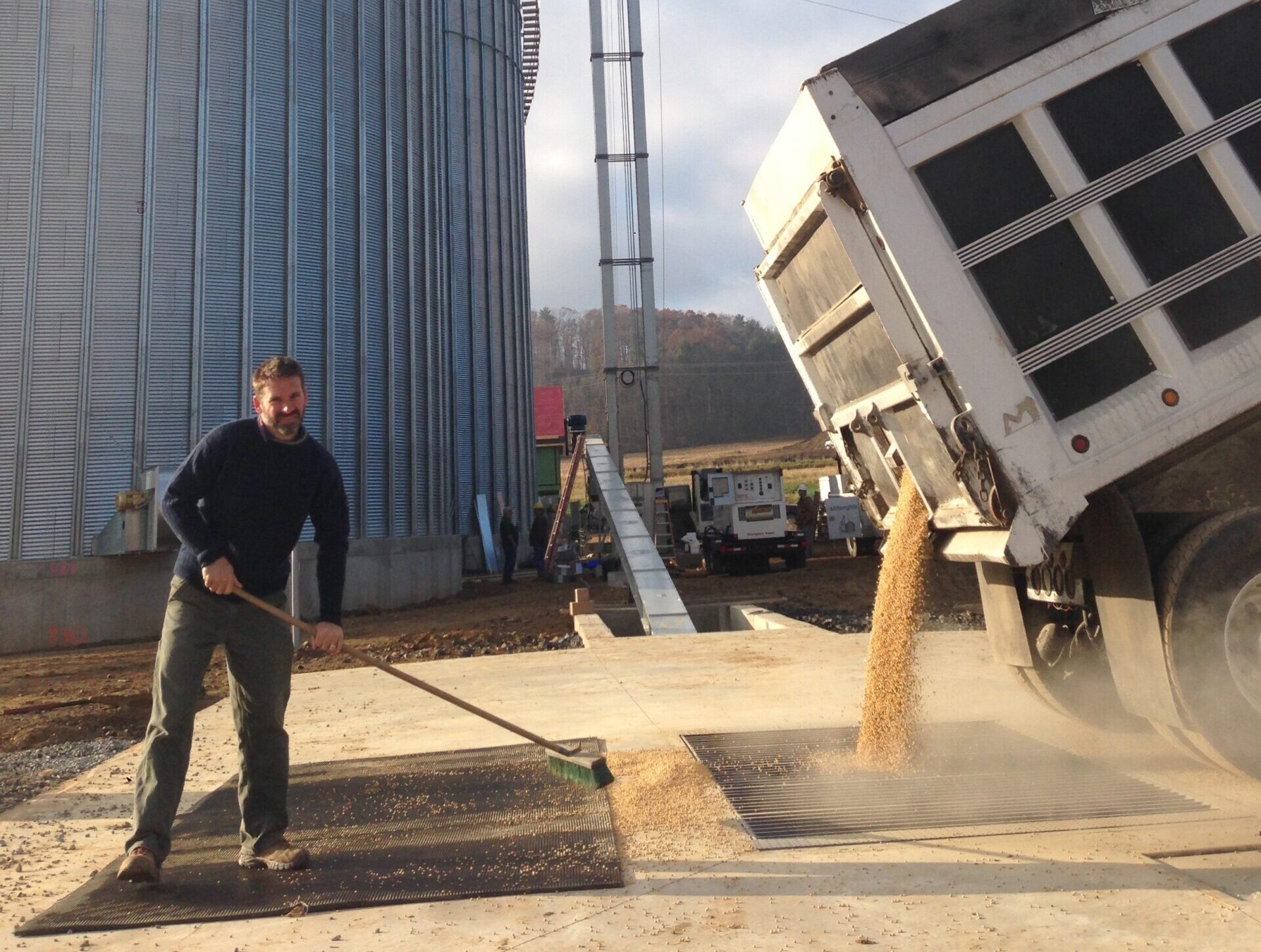
Soybean crush begins at a 100% dedicated organic processing facility that operates independently from the existing plant, adding capacity to meet organic demand.
New vegetable oil refinery is completed to complement crush operations. The refinery produces specialty oils including organic soy, canola, sunflower, and expeller pressed soy.
5,500 feet of track and commodity handling equipment are added, increasing car capacity and improving efficiency for receiving oilseeds and shipping oils and meals.